
Trump Warns of More Strikes on Iran’s Kharg Island as Gulf Conflict Intensifies and Global Oil Markets Tremble
info
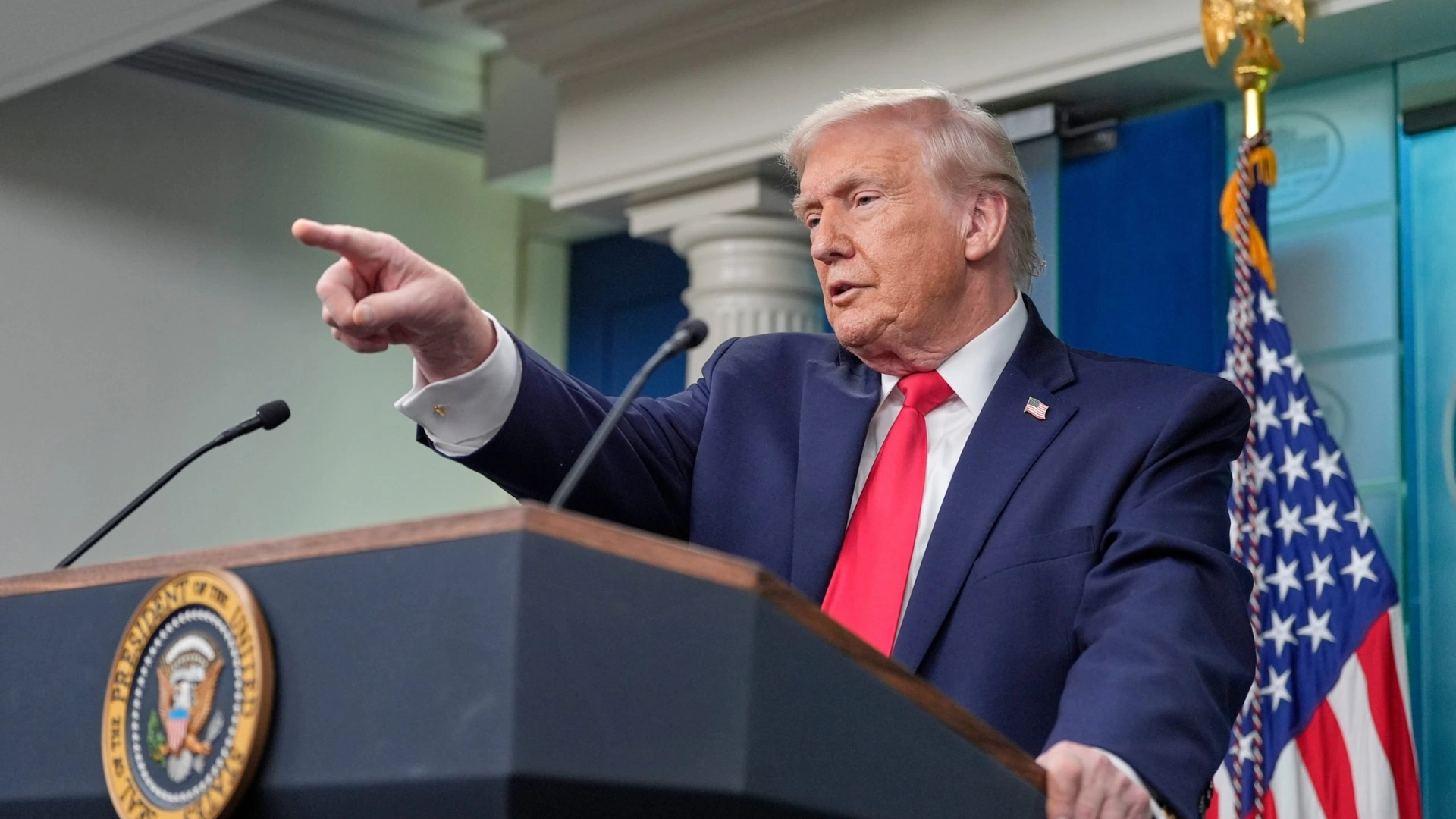
US President Donald Trump warned that more American strikes could target Iran’s Kharg Island after recent attacks that Washington says destroyed key military sites. The island is Iran’s main oil export hub, making the strikes highly significant for global energy markets.
The conflict, which began with US and Israeli airstrikes on February 28, has killed more than 2,000 people and triggered missile and drone attacks by Iran across the Gulf region. Rising tensions around the Strait of Hormuz are now threatening global oil supplies as diplomatic efforts to end the war remain stalled.
Escalating Rhetoric From Washington Signals a Deepening Crisis in the Gulf
The conflict between the United States and Iran entered a dangerous new phase on Sunday after US President Donald Trump threatened additional strikes on Iran’s strategic Kharg Island oil export hub. His remarks came as tensions in the Gulf region continued to rise, oil supply disruptions deepened, and diplomatic efforts to halt the conflict showed little progress.
Speaking in an interview with NBC News, Trump said the recent American strikes had “totally demolished” much of Kharg Island and warned that further attacks could follow.
“We may hit it a few more times just for fun,” the president said, an unusually blunt statement that signaled a significant escalation in rhetoric as the conflict stretches into its third week.
Trump added that while Tehran appeared willing to negotiate an end to the war, the current terms being discussed were “not good enough yet.”
Strategic Oil Hub at the Center of the Conflict
Kharg Island holds enormous strategic importance for Iran’s economy and the global energy market. Located about 24 kilometers off Iran’s coastline in the Persian Gulf, the island is Iran’s primary oil export terminal and one of the most critical energy facilities in the region.
The US military said its strikes targeted more than 90 sites on the island. According to US Central Command, these included naval mine storage facilities, missile storage bunkers, and other military infrastructure.
Washington has maintained that the attacks were aimed strictly at military assets rather than Iran’s oil industry itself. However, Trump’s latest comments appeared to go beyond earlier messaging from the administration that emphasized limited military objectives.
Iranian officials have played down the extent of the damage on the island and warned that any attack on energy infrastructure would trigger retaliation.
Strait of Hormuz Becomes the World’s Most Dangerous Chokepoint
Beyond Kharg Island, the growing confrontation is also placing enormous pressure on the Strait of Hormuz, the narrow maritime corridor through which a significant share of the world’s oil and gas shipments pass.
Trump urged allied nations to send naval forces to protect shipping through the strait.
“The countries of the world that receive oil through the Hormuz Strait must take care of that passage,” he wrote on social media. “The US will also coordinate with those countries so that everything goes quickly, smoothly and well.”
The call highlights Washington’s concern that Iran could attempt to disrupt shipping through the waterway, which would trigger a severe global energy crisis. Oil prices have already surged as the conflict causes what analysts describe as the largest disruption to global oil supply in history.
Iran Signals Defiance and Rejects Ceasefire Calls
Tehran has responded with defiance, insisting that negotiations cannot begin while US and Israeli airstrikes continue.
Iran’s leadership has vowed to intensify its military response. Iranian forces have already launched drone and missile attacks targeting locations linked to American interests in the region.
Iran’s Ministry of Defense said that nine ballistic missiles and 33 drones were launched toward the United Arab Emirates, while a drone strike disrupted operations at a major UAE energy hub.
The Iranian Revolutionary Guard Corps also warned that any facilities associated with the United States in the Gulf region could become “legitimate targets.”
Authorities in Iran urged civilians in the UAE to leave areas near major ports including Jebel Ali in Dubai, Khalifa Port in Abu Dhabi, and Fujairah Port, claiming that these locations were linked to US military activity.
Regional Fallout Spreads Across the Gulf
The growing confrontation is already affecting neighboring countries.
A drone attack caused disruption at the UAE’s Fujairah energy hub, a key global refueling center for oil tankers. Officials said the drone was intercepted, but falling debris sparked a fire that emergency crews worked to extinguish late Saturday.
Fujairah plays a critical role in global oil markets because it serves as an export route for roughly one million barrels of the UAE’s Murban crude oil per day, representing about one percent of global oil demand.
Meanwhile, the United States warned its citizens in Iraq to leave the country after a missile attack struck the US embassy compound in Baghdad overnight.
Human Toll Mounts as War Enters Third Week
Since the United States and Israel began air attacks on Iran on February 28, the conflict has already caused significant casualties.
According to reports from governments and state media, more than 2,000 people have been killed, the majority in Iran.
One of the deadliest incidents occurred when an airstrike hit a refrigerator and heater factory in the Iranian city of Isfahan, killing at least 15 people, according to the semi official Fars news agency.
The rising death toll has increased international pressure for diplomacy, though efforts to launch peace talks have so far stalled.
Diplomatic Efforts Falter Despite Global Concern
Sources familiar with the situation told Reuters that several Middle Eastern allies have attempted to start negotiations to end the conflict. However, the Trump administration has reportedly rejected early diplomatic proposals.
European powers are still exploring security measures for regional shipping routes. French officials said they are working to build a coalition to protect commercial vessels in the Strait of Hormuz once the security situation stabilizes.
Britain’s Ministry of Defence also confirmed that discussions with allies are underway to evaluate potential options to safeguard maritime traffic.
Iran’s Leadership Under Scrutiny Amid the Conflict
Amid the escalating war, Iran’s political leadership has also drawn attention.
Supreme Leader Ayatollah Mojtaba Khamenei, who succeeded his father, has remained largely out of public view since the conflict intensified. He has communicated through statements read on state television.
Iranian Foreign Minister Abbas Araqchi dismissed speculation from US Defense Secretary Pete Hegseth suggesting that Khamenei had been wounded or disfigured.
“There is no problem with the new supreme leader,” Araqchi said in an interview. “He sent his message yesterday and he will perform his duties.”
A Conflict With Global Consequences
With neither side signaling a willingness to step back, the confrontation between Washington and Tehran appears increasingly likely to drag on.
For global markets, the stakes are enormous. Any prolonged disruption to the Strait of Hormuz could shake energy supplies worldwide, pushing fuel prices higher and adding pressure to already fragile global economies.
As military strikes continue and rhetoric intensifies, the conflict is rapidly evolving into one of the most serious geopolitical crises in recent years, with consequences that could reshape the balance of power in the Middle East and beyond.

Edit Profile
Help improve @KR
Was this page helpful to you?
Contact Khogendra Rupini
Are you looking for an experienced developer to bring your website to life, tackle technical challenges, fix bugs, or enhance functionality? Look no further.
I specialize in building professional, high-performing, and user-friendly websites designed to meet your unique needs. Whether it’s creating custom JavaScript components, solving complex JS problems, or designing responsive layouts that look stunning on both small screens and desktops, I can collaborate with you.
Create something exceptional with us. Contact us today
Open for Collaboration
If you're looking to collaborate, I’m available for a variety of professional services, including -
- Website Design & Development
- Advertisement & Promotion Setup
- Hosting Configuration & Deployment
- Front-end & Back-end Code Implementation
- Code Testing & Optimization
- Cybersecurity Solutions & Threat Prevention
- Website Scanning & Malware Removal
- Hacked Website Recovery
- PHP & MySQL Development
- Python Programming
- Web Content Writing
- Protection Against Hacking Attempts