Khogendra Rupini provides comprehensive coverage of global events, including diplomatic developments, international conflicts, humanitarian crises, cross-border politics, and the stories shaping our interconnected world.
The world in 2026 is defined by interconnected crises and shifting centers of power. This GLOBAL UPDATES, presented by Khogendra Rupini, goes beyond the headlines to examine the structural forces shaping international affairs. Below, we explore four critical dimensions influencing today’s global landscape.
1. The Return of Great Power Competition
The U.S.–China rivalry now extends across every region, from Pacific island diplomacy to infrastructure investment in Latin America. Countries throughout the Global South are increasingly navigating between competing power centers, with nations such as India, Brazil, and Indonesia leveraging strategic nonalignment to advance national interests. Meanwhile, Russia’s war in Ukraine has entered its third year, with both sides preparing for a prolonged conflict even as diplomatic backchannels remain open.
2. Democracy and Authoritarianism
According to the Economist Intelligence Unit, global democracy scores have declined for eight consecutive years. However, the extensive electoral calendar in 2026 presents opportunities for democratic renewal as well as the risk of further democratic erosion. Digital authoritarianism, AI-enabled surveillance, and information warfare continue to evolve more rapidly than regulatory frameworks can adapt.
3. Humanitarian Crises and Displacement
The United Nations High Commissioner for Refugees (UNHCR) reports that forced displacement surpassed 120 million people in 2025, driven by armed conflict, climate-related disasters, and economic instability. Major humanitarian emergencies in Sudan, Gaza, Myanmar, and the Sahel are placing unprecedented strain on international response systems. The widening gap between humanitarian needs and available funding is forcing difficult prioritization decisions.
4. Global Economic Fragmentation
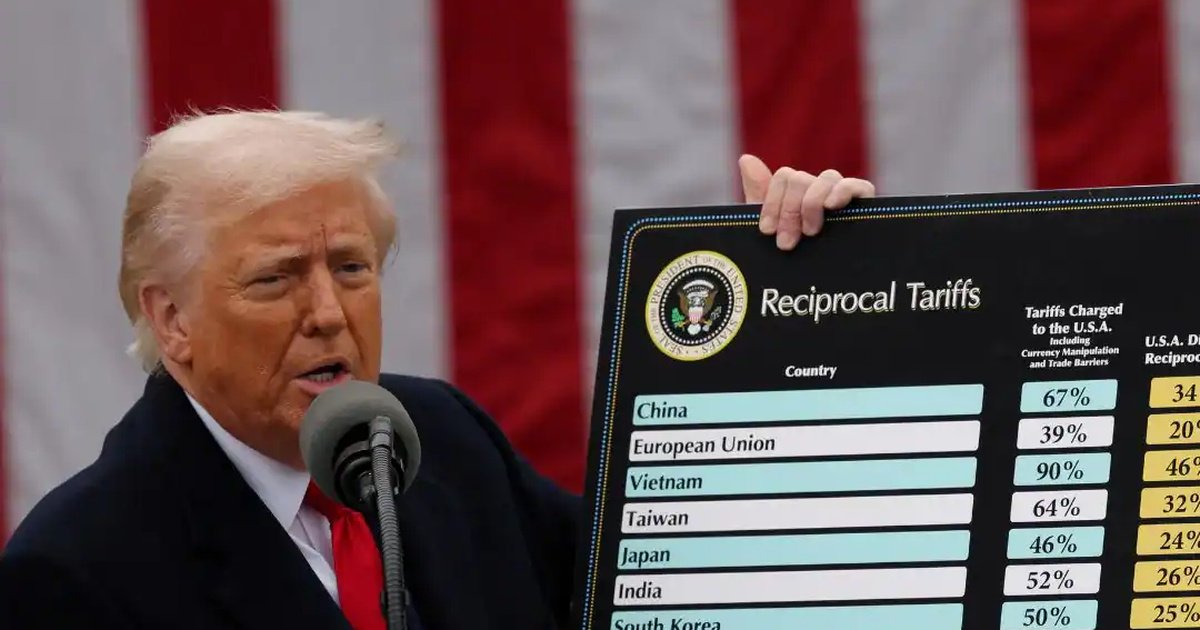
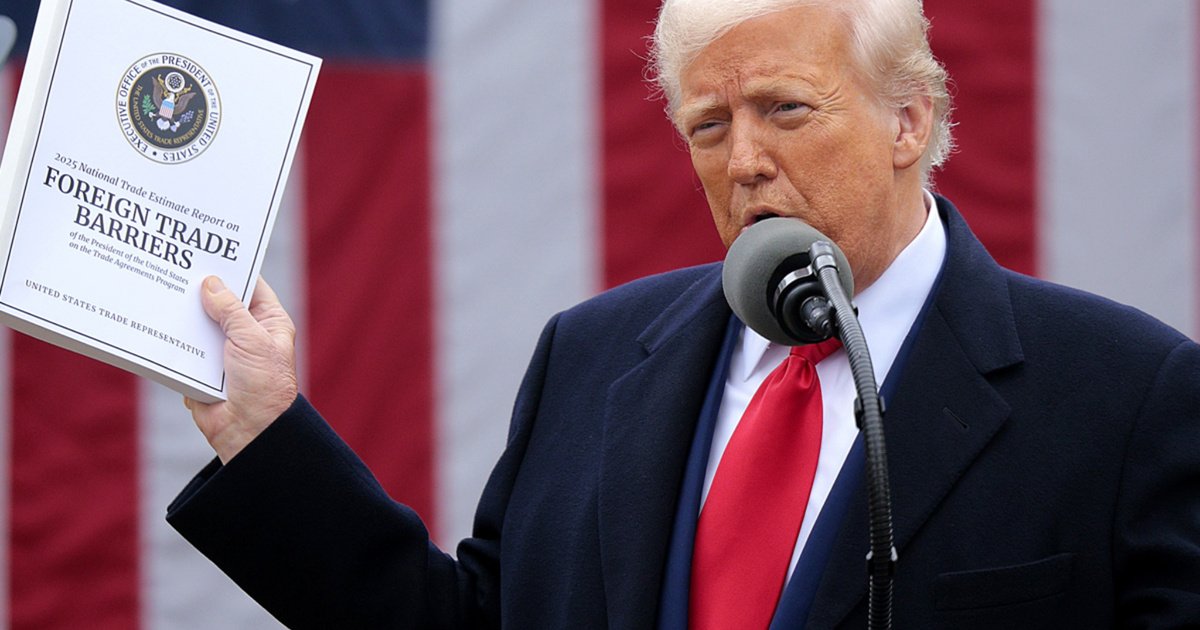
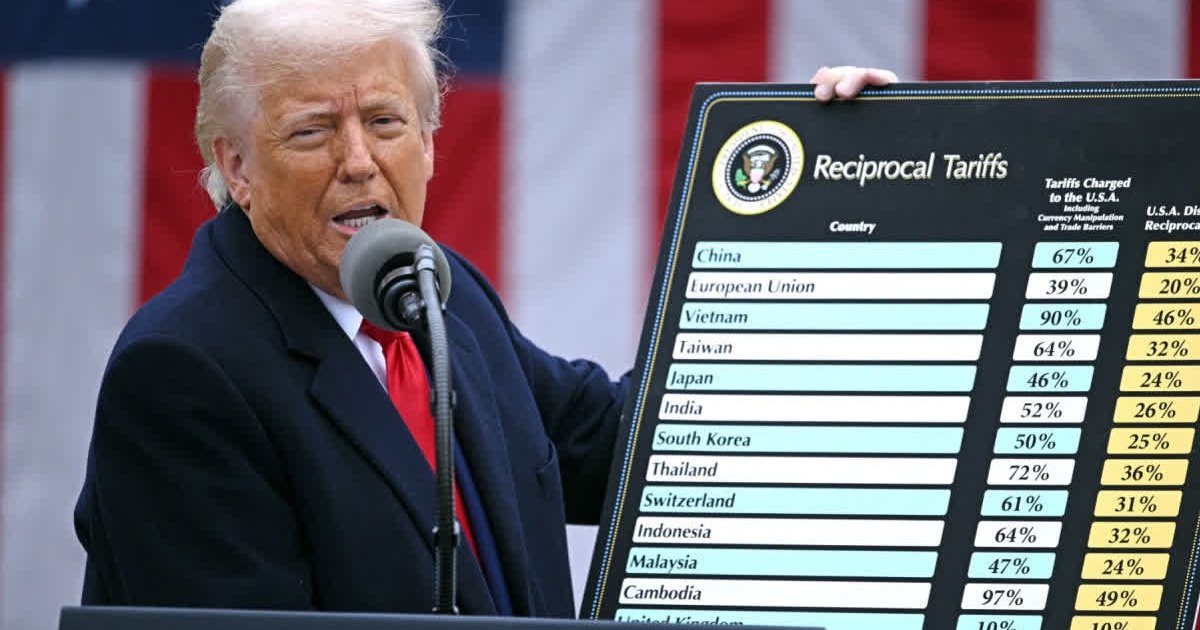
The post-1945 international economic order is increasingly fragmenting into competing blocs. Trade policy is being used more frequently as a strategic instrument, with export controls, tariffs, and investment screening serving as tools of statecraft. Supply chain resilience now often takes precedence over efficiency, raising costs and potentially slowing global growth. The International Monetary Fund (IMF) warns that “geoeconomic fragmentation” could reduce global GDP by up to 7 percent over the long term.
This contextual analysis is updated monthly. Individual articles reflect the most recent developments across all world regions.