
Apple’s iOS 27 May Focus on Speed and Stability, With Adjustable ‘Liquid Glass’ Interface and New AI Push
info Synopsis: Apple’s upcoming iOS 27 update is expected to focus on performance improvements and bug fixes, similar to Mac OS X Snow Leopard. The update may introduce a system-wide “Liquid Glass” slider, a revamped AI-powered Siri, deeper Google Gemini integration, and features designed for a rumored foldable iPhone. Apple is likely to unveil iOS 27 at WWDC in June.
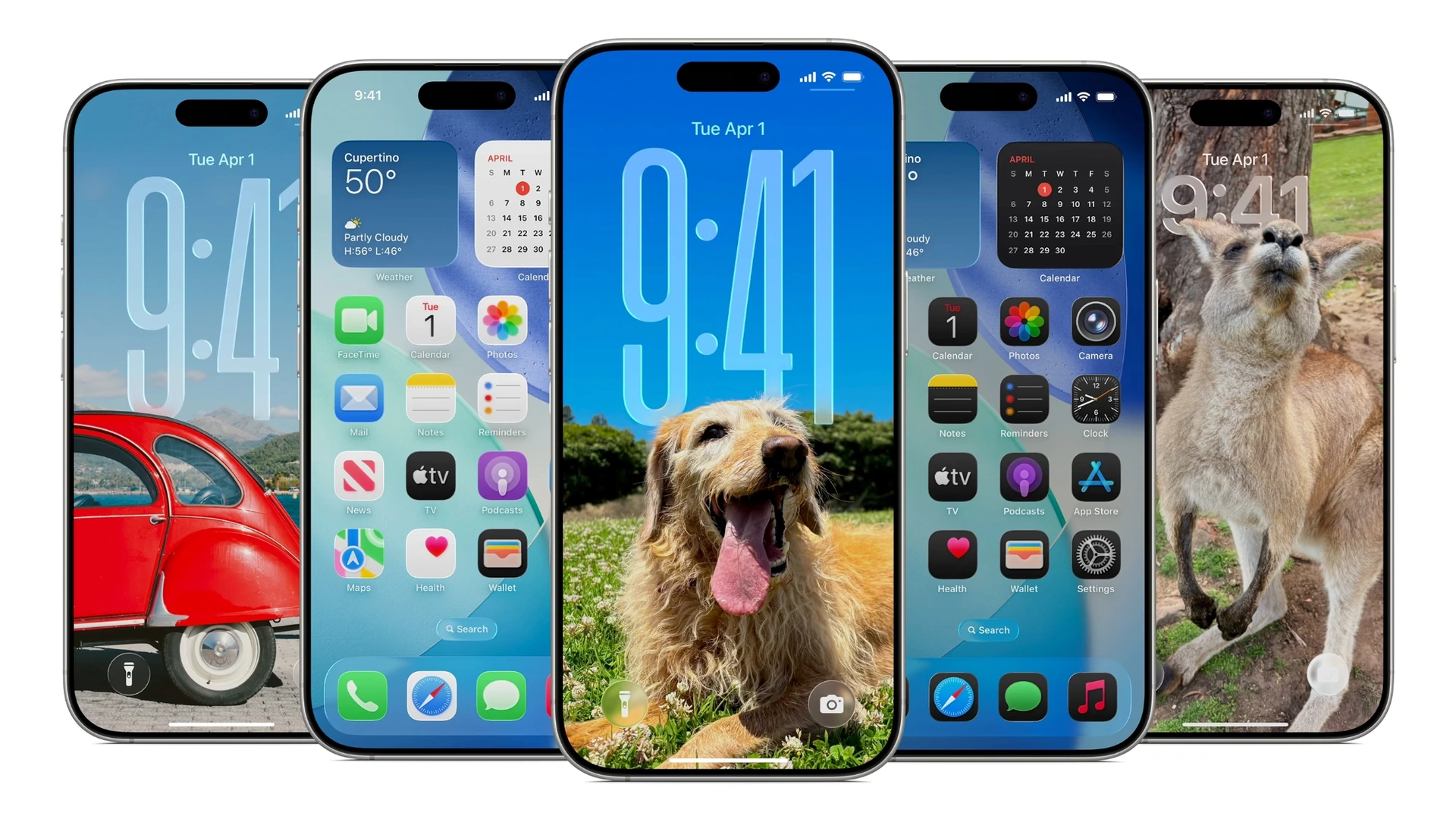
Apple’s next major iPhone software update could mark a shift away from flashy features toward performance and reliability, according to a report citing Bloomberg’s Mark Gurman . The upcoming iOS 27 update is expected to prioritize system stability and speed improvements—an approach reminiscent of Apple’s 2009 Mac OS X Snow Leopard release—while still introducing select interface and artificial intelligence upgrades.
If the plans hold, iOS 27 would focus on addressing a range of user complaints linked to iOS 26 while laying groundwork for new AI capabilities and hardware innovations, including features designed for a rumored foldable iPhone.
A Snow Leopard–Style Update Focused on Fixing What Exists
Apple’s strategy for iOS 27 appears to mirror the philosophy behind Mac OS X Snow Leopard, a release known for improving performance and refining existing features rather than introducing sweeping visual changes.
According to the report, Apple intends to streamline the system by removing unnecessary software complexity, fixing persistent bugs, and improving overall responsiveness across the iPhone ecosystem.
The shift comes after users reported multiple issues following the launch of iOS 26 . Complaints have included:
- Battery drain
- Device overheating
- Keyboard glitches
- Stuttering animations
By prioritizing optimization, Apple is aiming to deliver a smoother and more reliable user experience rather than focusing primarily on new visual features.
A System-Wide ‘Liquid Glass’ Control Could Arrive
Despite the emphasis on stability, iOS 27 may still introduce one notable interface upgrade: a system-wide control for Apple’s “Liquid Glass” visual effect.
The feature would allow users to adjust how pronounced the glass-like interface effect appears across the operating system.
Apple had reportedly been working on this capability for iOS 26 , but technical challenges prevented it from being implemented across the entire interface. Engineers were able to enable the effect on the lock screen clock, but extending it to other elements—such as the home screen, app folders, and navigation bars—proved more difficult.
If successfully introduced in iOS 27 , the feature would function as a slider that lets users control the intensity of the Liquid Glass design throughout the system.
Such customization could give iPhone users greater control over the visual style of the operating system, something Apple has historically offered only in limited ways.
AI Development Remains a Central Focus
Beyond performance improvements, artificial intelligence is expected to remain one of Apple’s major priorities in iOS 27 .
The update is reportedly set to include several AI-driven enhancements, including a revamped version of Siri designed around a chatbot-style interface.
This redesign could change how users interact with Apple’s voice assistant, potentially making conversations feel more natural and interactive.
The software update is also expected to deepen integration with Google’s Gemini AI models across both iOS and macOS. According to the report, these integrations could expand the ways users access AI tools across Apple devices.
Another potential addition is a health-focused AI assistant connected to a Health+ subscription service. The agent would reportedly use health data to deliver insights and guidance related to personal wellness.
Preparing for Apple’s Next Hardware Category
The software update may also introduce features tailored for a foldable iPhone, a device Apple is widely rumored to be developing.
While details remain limited, iOS 27 is expected to include system-level capabilities designed to accommodate foldable displays. These could involve interface adjustments and multitasking improvements optimized for devices that can shift between different screen sizes.
Adding foldable-specific software features in advance would allow Apple to prepare the operating system for new hardware formats.
Timeline: Announcement Expected at WWDC
Apple is expected to unveil iOS 27 at its annual Worldwide Developers Conference (WWDC) in June. The event traditionally serves as the company’s platform for announcing new software versions for iPhone, iPad, Mac, and other devices.
Following the announcement, the software would likely enter a developer testing phase before a broader public release later in the year.
The final version of iOS 27 is expected to arrive in September, aligning with Apple’s typical launch window for new iPhone models and operating system updates.
Why the Strategy Matters for iPhone Users
If the reported strategy materializes, iOS 27 could represent a recalibration for Apple after a more feature-heavy release cycle.
Rather than introducing sweeping changes, the update may focus on improving reliability and refining existing systems—an approach that has historically resonated well with users when performance issues accumulate.
At the same time, Apple appears determined to continue expanding its AI capabilities, suggesting that artificial intelligence will remain central to the company’s software roadmap in the coming years.
With performance fixes, interface customization, and AI advancements all potentially arriving together, iOS 27 could deliver a quieter but significant evolution of the iPhone experience.

Edit Profile
Help improve @KR

Was this page helpful to you?
Contact Khogendra Rupini
Are you looking for an experienced developer to bring your website to life, tackle technical challenges, fix bugs, or enhance functionality? Look no further.
I specialize in building professional, high-performing, and user-friendly websites designed to meet your unique needs. Whether it’s creating custom JavaScript components, solving complex JS problems, or designing responsive layouts that look stunning on both small screens and desktops, I can collaborate with you.
Create something exceptional with us. Contact us today
Open for Collaboration
If you're looking to collaborate, I’m available for a variety of professional services, including -
- Website Design & Development
- Advertisement & Promotion Setup
- Hosting Configuration & Deployment
- Front-end & Back-end Code Implementation
- Code Testing & Optimization
- Cybersecurity Solutions & Threat Prevention
- Website Scanning & Malware Removal
- Hacked Website Recovery
- PHP & MySQL Development
- Python Programming
- Web Content Writing
- Protection Against Hacking Attempts