
Apple’s $499 MacBook Neo Becomes Company’s Most Repairable Laptop in Over a Decade, iFixit Finds
info Synopsis: Apple’s new $499 MacBook Neo is the company’s most repairable laptop in over a decade, according to iFixit. Design changes like screw-attached batteries and keyboards make repairs easier, earning it a 6/10 score. However, its soldered 8GB memory cannot be upgraded, which experts warn may limit performance for future AI applications.
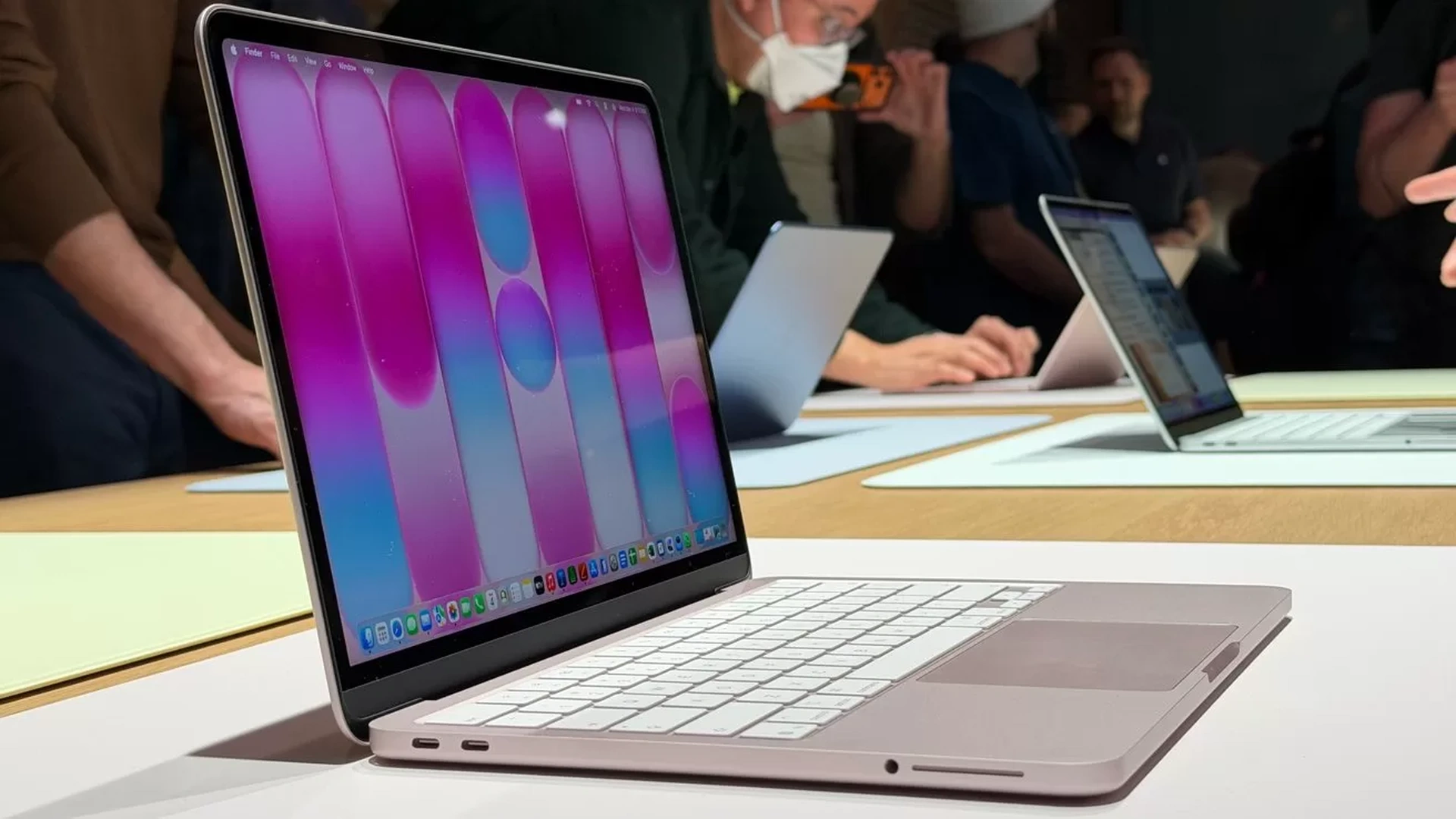
Apple’s newly introduced MacBook Neo — a budget-focused laptop aimed at students — has emerged as the company’s most repairable laptop in more than a decade, according to a teardown analysis released Friday by repair advocacy group iFixit .
The device, which Apple unveiled last week starting at $499 for students, represents a shift from the company’s recent design trends that prioritized thinner and lighter hardware but often made repairs difficult. While the MacBook Neo does not match the repairability of some competing laptops, iFixit said the design changes mark a meaningful improvement compared with Apple’s recent Mac models.
Design changes make key components easier to replace
In its teardown analysis, iFixit found that Apple introduced several structural changes intended to simplify repairs. Among the most significant adjustments was the use of screws instead of glue or rivets to attach components such as the battery and keyboard.
The change allows technicians — and potentially trained users — to remove and replace these parts without damaging the surrounding hardware.
The company also redesigned internal layouts to make several components easier to swap out, including the laptop’s camera and fingerprint sensor.
iFixit , which publishes repair guides and sells parts and tools for consumer electronics, also provides repairability ratings that evaluate how easily products can be maintained or fixed. Those scores have increasingly influenced laptop makers seeking to appeal to schools, businesses, and consumers looking for longer device lifespans.
A step forward for Apple, but still behind some competitors
Despite the improvements, the MacBook Neo received a repairability score of 6 out of 10 from iFixit — indicating moderate repairability but still lagging behind several competing laptops.
Some recent laptops from Lenovo’s ThinkPad lineup , for example, have earned repairability scores as high as 9 or 10.
For Apple, however, the rating represents a notable change in direction after years of criticism from repair advocates who argued that the company’s devices had become increasingly difficult to service.
Over the past decade, Apple has frequently designed products with tightly integrated components that maximize performance and reduce thickness but limit access for repairs.
Targeting the education market dominated by Chromebooks
Apple is widely believed to be positioning the MacBook Neo to compete with low-cost Chromebooks that have gained widespread adoption in schools.
Chromebooks, many of which are designed to be easily repaired, are often maintained directly within school systems. Some districts even involve students in device repair programs.
Kyle Wiens, chief executive of iFixit , noted that school districts such as those in Oakland, California have used student interns to help repair Chromebooks, highlighting the value of devices designed with maintenance in mind.
By making the MacBook Neo easier to fix, Apple could make the device more appealing to education buyers that prioritize durability and long-term serviceability.
Soldered memory remains a major limitation
While iFixit praised several design improvements, the analysis also pointed to a major limitation that affects the entire Mac lineup: memory that is permanently soldered to the motherboard.
The MacBook Neo includes 8 gigabytes of DRAM that is integrated directly into the system’s main processor package. This design, used across Apple’s recent Mac models, prevents users from upgrading memory after purchase.
According to Wiens, that decision could limit the laptop’s long-term performance as artificial intelligence applications grow more demanding.
Because the memory cannot be upgraded, users who require more processing capacity in the future may need to replace the entire device rather than simply installing additional RAM.
Implications for Apple’s push toward local AI
The memory limitation could also complicate Apple’s broader strategy around privacy-focused artificial intelligence.
Apple has emphasized the advantages of running AI models locally on devices rather than sending data to cloud servers, a move the company says improves privacy protections. However, more complex AI workloads often require larger memory capacity.
Wiens argued that Apple could address the issue by including an additional layer of memory chips that users could upgrade over time.
“Apple’s future for privacy-centered AI has to be local models,” he said. “I would argue this is a flaw across Apple’s entire Mac product line.”
A cautious shift toward repairability
Apple did not immediately respond to a request for comment following the release of iFixit’s teardown analysis.
Still, the MacBook Neo’s improved repairability suggests Apple may be gradually responding to industry pressure and growing consumer demand for devices that can be maintained and repaired rather than replaced.
For schools, students, and budget-conscious buyers — the primary audience for the $499 laptop — the changes could extend the lifespan of devices that are often heavily used in classrooms.
Even so, iFixit’s evaluation indicates that Apple still has significant room to improve before matching the repairability standards set by some competing laptop makers.
For now, the MacBook Neo stands as Apple’s most repair-friendly laptop since 2014 — a milestone that signals progress, but not yet a full transformation of the company’s hardware design philosophy.

Edit Profile
Help improve @KR

Was this page helpful to you?
Contact Khogendra Rupini
Are you looking for an experienced developer to bring your website to life, tackle technical challenges, fix bugs, or enhance functionality? Look no further.
I specialize in building professional, high-performing, and user-friendly websites designed to meet your unique needs. Whether it’s creating custom JavaScript components, solving complex JS problems, or designing responsive layouts that look stunning on both small screens and desktops, I can collaborate with you.
Create something exceptional with us. Contact us today
Open for Collaboration
If you're looking to collaborate, I’m available for a variety of professional services, including -
- Website Design & Development
- Advertisement & Promotion Setup
- Hosting Configuration & Deployment
- Front-end & Back-end Code Implementation
- Code Testing & Optimization
- Cybersecurity Solutions & Threat Prevention
- Website Scanning & Malware Removal
- Hacked Website Recovery
- PHP & MySQL Development
- Python Programming
- Web Content Writing
- Protection Against Hacking Attempts