
Apple MacBook Neo Emerges as Apple’s Most Repairable Laptop in Over a Decade
info A $499 student focused Mac challenges Apple’s long standing repairability criticism while still raising questions about future upgrades and AI performance.
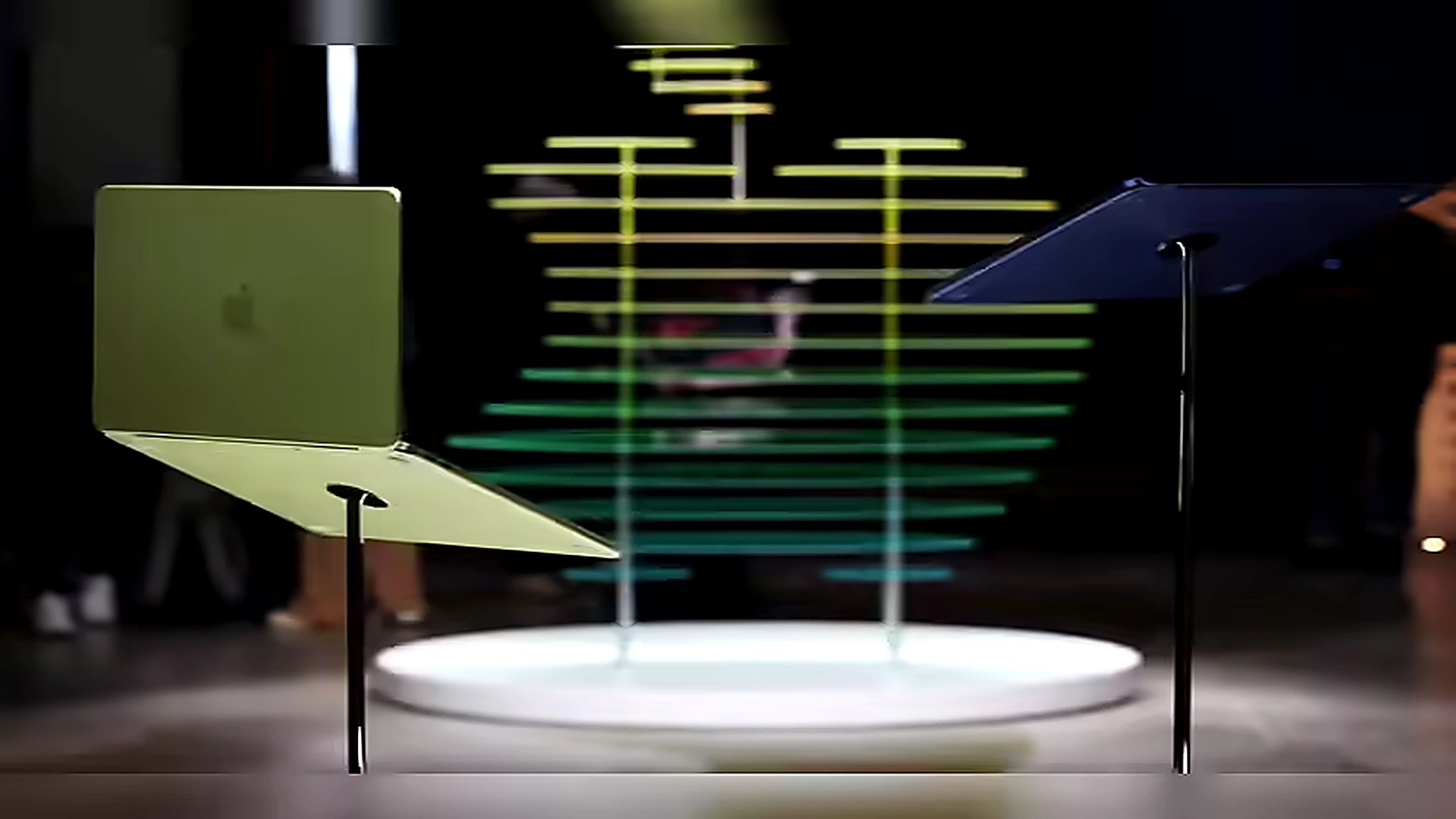
In a surprising shift from its long criticized design philosophy, Apple’s newly announced MacBook Neo has emerged as the most repairable laptop the company has produced in more than ten years, according to a teardown analysis by repair specialists at iFixit.
The device, which Apple introduced last week with a starting price of $499 for students, signals a notable change in how the company approaches hardware design, particularly when it comes to making internal components easier to fix or replace.
For years, Apple’s laptops have faced scrutiny from repair experts and consumer rights advocates for prioritizing thinness and sleek design over repairability. The MacBook Neo appears to soften that stance, even if only partially, by incorporating structural changes that make key components easier to access and replace.
Yet while the new device marks progress for repair advocates, experts say it still carries limitations that could affect its long term usability, especially as artificial intelligence applications demand increasingly powerful hardware.
A rare shift in Apple’s design philosophy
The repairability ranking comes from iFixit, a well known organization that publishes repair guides and teardown analyses for consumer electronics. Beyond selling tools and replacement parts, iFixit also evaluates how easy it is to repair modern gadgets.
According to the company’s latest teardown report, the MacBook Neo represents the most repair friendly Mac laptop Apple has released since 2014.
One of the key improvements lies in how major components are secured inside the machine. Instead of relying heavily on glue or rivets, Apple has used screws to attach critical parts such as the battery and keyboard. This design decision significantly reduces the complexity of replacing damaged components.
The teardown also found that parts such as the device’s camera and fingerprint sensor can be swapped out more easily, allowing technicians and repair shops to perform fixes without dismantling large portions of the laptop.
These changes may seem small, but for repair professionals they represent a meaningful shift from earlier MacBook models where glued components often forced users to replace entire assemblies rather than individual parts.
Apple appears to be targeting the education market
The MacBook Neo’s $499 starting price for students places it squarely in competition with Google powered Chromebooks, which dominate the global education laptop market.
Industry observers believe Apple is aiming to win back schools and universities that have leaned heavily toward Chromebooks due to their affordability and ease of maintenance.
Kyle Wiens, the chief executive of iFixit, noted that Chromebooks are frequently repaired within school districts, sometimes even by students themselves as part of educational programs. Some districts, including those in Oakland, California, have experimented with student intern programs to repair school devices.
By improving repairability and lowering the entry price of a Mac laptop, Apple may be attempting to make the Mac ecosystem more appealing to schools that prioritize durability and serviceability.
Such a strategy could help Apple expand its presence in classrooms, where students often form long term habits around the technology platforms they use.
Repairability improves but still trails industry leaders
Despite the improvements, the MacBook Neo still has a long way to go before it matches the repair friendliness of some competing laptops.
In iFixit’s scoring system, the MacBook Neo received a repairability score of 6 out of 10. While this is a notable improvement compared with many recent Apple laptops, it still falls short of devices from other manufacturers.
For example, some recent Lenovo ThinkPad models have scored 9 or even 10 out of 10 on the same repairability scale. These machines are designed with modular components that can be replaced quickly with minimal tools.
Apple’s long standing emphasis on thin and lightweight designs has historically made its products more difficult to repair. Over the past decade, many MacBooks used extensive adhesive, tightly integrated components, and custom hardware layouts that complicated repairs.
The MacBook Neo suggests Apple may be gradually reconsidering some of those design choices, although it has not completely abandoned them.
The biggest limitation lies in memory upgrades
One of the most significant criticisms highlighted in the teardown relates to the laptop’s memory design.
According to iFixit’s analysis, the MacBook Neo includes 8 gigabytes of DRAM that are directly soldered to the machine’s circuit board, integrated as part of the package with the main processing chip.
This architecture mirrors the design used in many recent Apple silicon Macs, where the memory and processor are closely integrated to improve performance and efficiency.
However, the tradeoff is that users cannot upgrade the memory after purchasing the device. If the laptop’s RAM becomes insufficient in the future, the only option is to replace the entire machine rather than installing additional memory.
For consumers who plan to keep their devices for several years, this limitation could become increasingly important.
AI workloads could test the limits of the device
Experts also believe the soldered memory design may have broader implications as artificial intelligence workloads become more common on personal computers.
Many modern AI applications rely heavily on large amounts of memory to run advanced models locally on a device. With only 8GB of fixed memory, the MacBook Neo could struggle to keep up with future AI software as those applications become more complex.
Kyle Wiens noted that Apple has often emphasized the privacy benefits of running AI models locally on a device instead of in the cloud. However, he argued that achieving this vision may require more flexible hardware configurations.
Adding upgradeable memory modules could allow users to expand their system’s capabilities over time, potentially extending the lifespan of the device.
Without that option, the MacBook Neo may face limitations if future software demands exceed its hardware capacity.
A sign that repairability pressure may be working
In recent years, technology companies including Apple have faced growing pressure from governments and consumer groups to improve the repairability of electronic devices.
The global Right to Repair movement has pushed for legislation that requires manufacturers to provide spare parts, repair manuals, and more accessible designs.
While Apple has historically resisted many of these initiatives, the company has gradually introduced programs that allow independent repair shops and even consumers to access official parts and tools.
The MacBook Neo’s design changes may reflect this evolving landscape. By making some components easier to replace, Apple could be responding to both regulatory pressure and changing consumer expectations.
For users who value long term durability and repair options, the shift may represent a welcome step forward.
A promising start but not a complete solution
The MacBook Neo represents a rare moment in which Apple has made measurable progress toward improving repairability in its laptop lineup.
Simple design changes such as using screws instead of glue for key components demonstrate that improving serviceability does not necessarily require sacrificing modern laptop design.
However, the device still reflects many of the limitations that have defined Apple hardware for years. Integrated memory, tightly packaged components, and limited upgrade options remain part of the company’s approach.
For students and schools seeking an affordable entry point into the Mac ecosystem, the MacBook Neo could become an appealing option.
But for repair advocates and power users hoping for fully modular Apple laptops, the device may represent a step forward rather than a complete transformation.
As the demand for sustainable electronics and longer device lifespans continues to grow, the MacBook Neo could serve as an early signal that Apple’s design priorities are slowly evolving.

Edit Profile
Help improve @KR

Was this page helpful to you?
Contact Khogendra Rupini
Are you looking for an experienced developer to bring your website to life, tackle technical challenges, fix bugs, or enhance functionality? Look no further.
I specialize in building professional, high-performing, and user-friendly websites designed to meet your unique needs. Whether it’s creating custom JavaScript components, solving complex JS problems, or designing responsive layouts that look stunning on both small screens and desktops, I can collaborate with you.
Create something exceptional with us. Contact us today
Open for Collaboration
If you're looking to collaborate, I’m available for a variety of professional services, including -
- Website Design & Development
- Advertisement & Promotion Setup
- Hosting Configuration & Deployment
- Front-end & Back-end Code Implementation
- Code Testing & Optimization
- Cybersecurity Solutions & Threat Prevention
- Website Scanning & Malware Removal
- Hacked Website Recovery
- PHP & MySQL Development
- Python Programming
- Web Content Writing
- Protection Against Hacking Attempts