
Samsung Galaxy S26 Review: Premium Power Meets Familiar Design — A Solid Flagship That Feels Strikingly Familiar
info Samsung’s latest flagship brings a brighter display, larger battery and stronger AI features, but the overall experience feels almost identical to last year’s model, raising questions about how much innovation users truly get for the upgrade.
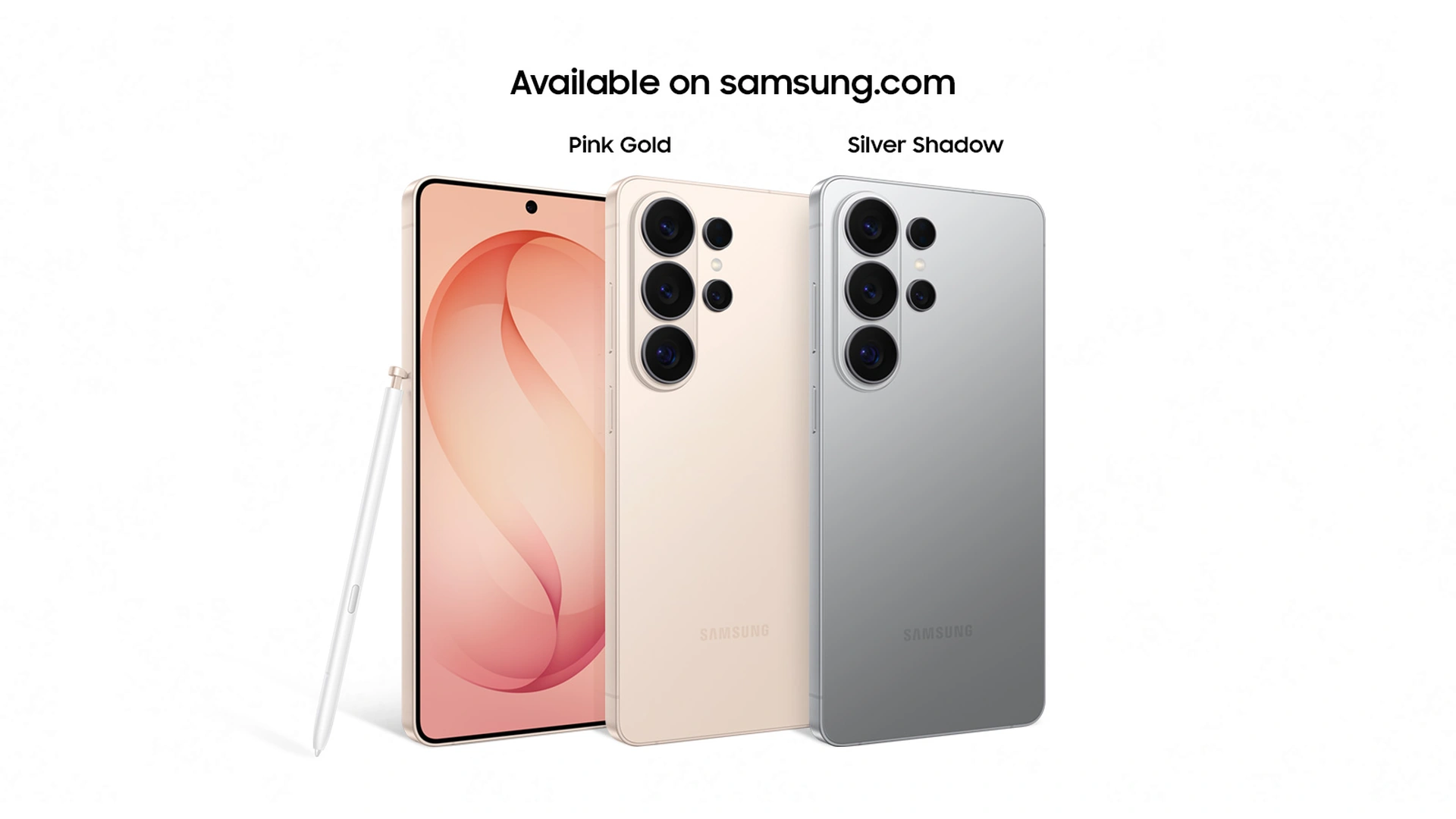
Samsung’s flagship smartphone cycle has arrived again, and with it comes the Samsung Galaxy S26 lineup, including the S26, S26+ and the more experimental S26 Ultra. While the Ultra model grabs headlines with new innovations, the standard Samsung Galaxy S26 focuses on refinement rather than reinvention.
Priced at $899, the Galaxy S26 delivers the polished experience people expect from Samsung’s flagship series. It brings a brighter display, larger battery and increased base storage. Yet despite these upgrades, the device feels remarkably similar to its predecessor, raising an important question for buyers: Is the Galaxy S26 truly an upgrade or simply a continuation of the same formula?
With an expert score of 80 out of 100, the S26 proves to be a dependable premium phone. However, it also highlights how Samsung’s smallest flagship is evolving cautiously rather than dramatically.
Familiar Premium Design With Only Subtle Changes
At first glance, the Galaxy S26 looks almost identical to the previous generation. Samsung has maintained the same premium build quality and compact flagship philosophy that many users appreciate.
The display now measures 6.3 inches, slightly larger than the 6.2 inch screen on the Galaxy S25. Resolution remains unchanged at FHD+ (2340 × 1080), meaning visual sharpness stays consistent despite the slightly larger panel.
One noticeable improvement is brightness. The S26 display can now reach up to 3000 nits, making outdoor visibility stronger than before.
Design changes are minimal. The triple camera setup now sits on a unified circular camera island, replacing the separated lens layout seen in earlier models. Aside from that adjustment, the phone’s overall aesthetic remains largely unchanged.
For many users, this familiarity is reassuring. However, for those expecting a bold new look, the S26 may feel like a continuation rather than a transformation.
Bigger Battery And Improved Base Specifications
Under the hood, Samsung has made a few meaningful upgrades that enhance everyday usability.
The Galaxy S26 now includes a 4300 mAh battery, up from the 4000 mAh battery in the S25. Combined with efficiency improvements in the new processor, the device delivers excellent battery endurance.
Samsung has also increased the starting memory and storage configuration. The base model now includes 12 GB of RAM and 256 GB of storage, doubling the base storage offered on last year’s model.
These upgrades ensure that even the entry version of the S26 feels more capable out of the box, particularly for users who store large amounts of photos, apps and videos.
Two Different Processors Depending on Region
Samsung continues its dual processor strategy for global markets.
In the United States, the Galaxy S26 uses the Snapdragon 8 Elite Gen 5 for Galaxy chipset. Meanwhile, regions such as the United Kingdom and other international markets receive Samsung’s in house Exynos 2600 processor.
The Exynos 2600 represents a major technological step for Samsung. It is the company’s first 2 nanometer chip, designed to deliver improved power efficiency and stronger performance.
Samsung claims the processor offers around 50 percent better performance in single core and multi core tasks compared to the previous generation.
The chip also introduces the Xclipse 960 GPU, which is designed to deliver double the graphical performance of the earlier Exynos 2500.
Benchmark results show promising performance. In Geekbench 6, the Exynos powered S26 achieved:
Single core score: 3151
Multi core score: 10664
GPU score: 24425
These results place it close to the Snapdragon powered Galaxy S26 Ultra in many scenarios.
Battery Performance Shows Small Differences
Battery testing revealed one interesting difference between the Snapdragon and Exynos versions.
During a continuous video playback test at 50 percent brightness, the Exynos version lasted nearly 28 hours, while the Snapdragon powered model reached almost 30 hours.
Although both results represent excellent battery life, the slightly shorter endurance of the Exynos variant is notable given the S26’s larger battery capacity.
Cameras Deliver Consistent Results Rather Than Major Upgrades
Samsung has largely maintained the same camera hardware used in the previous generation.
The Galaxy S26 includes:
Main camera: 50 megapixels
Ultra wide camera: 12 megapixels
Telephoto camera: 10 megapixels with 3× optical zoom
Because the hardware remains unchanged, improvements rely mainly on software processing and AI features.
Photos show slightly improved color accuracy, especially in selfies, where Samsung’s new Object Aware Engine helps produce more natural skin tones and hair detail.
The phone also captures bursts and high resolution video a bit faster than before.
Samsung’s zoom capabilities remain versatile thanks to its combination of optical zoom and cropped digital zoom, though the results cannot match the higher resolution sensors found in the Galaxy S26 Ultra.
AI Photo Editing Becomes Easier With Natural Language Commands
One area where Samsung is pushing forward is artificial intelligence powered editing.
The S26 introduces an expanded Photo Assist feature that gathers editing tools into a single interface. Users can remove reflections, eliminate unwanted objects and adjust lighting using natural language commands.
Instead of manually adjusting editing sliders, users can simply describe the desired result. The system then processes the image automatically.
This approach makes advanced editing accessible even for users without professional photo editing skills.
New Video Tools Bring Action Camera Style Stabilization
Samsung has also enhanced its video recording features.
The updated Super Steady mode now maintains a consistent horizontal lock while filming, similar to the stabilization systems used in action cameras and gimbals.
The phone also introduces Autoframing, which tracks a subject and automatically keeps it centered in the frame. This feature works with faces, pets and even manually selected objects.
While the technology works well when the phone is mounted on a tripod, slight edge distortion and occasional focus adjustments can still occur.
Samsung Expands Its AI Assistant Ecosystem
The Galaxy S26 runs Samsung’s latest software experience, which emphasizes artificial intelligence assistants.
The phone supports three AI systems simultaneously:
Gemini
Bixby
Perplexity
Samsung has introduced a new Now Nudge feature that suggests helpful actions based on what appears on screen. For example, it may suggest sharing a phone number from a message or adding an event to the calendar.
Another feature called Now Brief compiles daily information such as weather updates and calendar reminders into a quick summary.
Perplexity integration is still evolving. Although users can set it as their primary assistant, some features such as deeper Samsung browser integration are not yet fully available.
A Reliable Flagship That Plays It Safe
The Galaxy S26 ultimately represents a safe and polished flagship smartphone.
It delivers a brighter display, a larger battery and improved base storage. Performance remains strong regardless of whether users receive the Snapdragon or Exynos version.
However, the overall experience feels extremely similar to previous models. For many users, the difference between the Galaxy S26 and last year’s Galaxy S25 may feel minimal.
Samsung appears to be focusing its biggest innovations on the Ultra models and foldable devices, leaving the standard Galaxy S series to evolve gradually.
For buyers seeking a compact premium Android phone with strong performance and excellent battery life, the Galaxy S26 remains a dependable choice. Yet those who already own a recent Galaxy flagship may find that this year’s upgrade feels more like a refinement than a revolution.

Edit Profile
Help improve @KR

Was this page helpful to you?
Contact Khogendra Rupini
Are you looking for an experienced developer to bring your website to life, tackle technical challenges, fix bugs, or enhance functionality? Look no further.
I specialize in building professional, high-performing, and user-friendly websites designed to meet your unique needs. Whether it’s creating custom JavaScript components, solving complex JS problems, or designing responsive layouts that look stunning on both small screens and desktops, I can collaborate with you.
Create something exceptional with us. Contact us today
Open for Collaboration
If you're looking to collaborate, I’m available for a variety of professional services, including -
- Website Design & Development
- Advertisement & Promotion Setup
- Hosting Configuration & Deployment
- Front-end & Back-end Code Implementation
- Code Testing & Optimization
- Cybersecurity Solutions & Threat Prevention
- Website Scanning & Malware Removal
- Hacked Website Recovery
- PHP & MySQL Development
- Python Programming
- Web Content Writing
- Protection Against Hacking Attempts