
Samsung’s Galaxy S26 Ultra Showcases New Privacy Display — but Critics Say It Ignores a Key Eye-Care Upgrade
info Synopsis: Samsung’s Galaxy S26 Ultra introduces a new Privacy Display to limit viewing angles, but critics say the company still ignores a key display issue — low 480Hz PWM dimming. Competitors offer higher-frequency or DC dimming to reduce flicker and eye strain, raising concerns about accessibility for users sensitive to screen flickering.
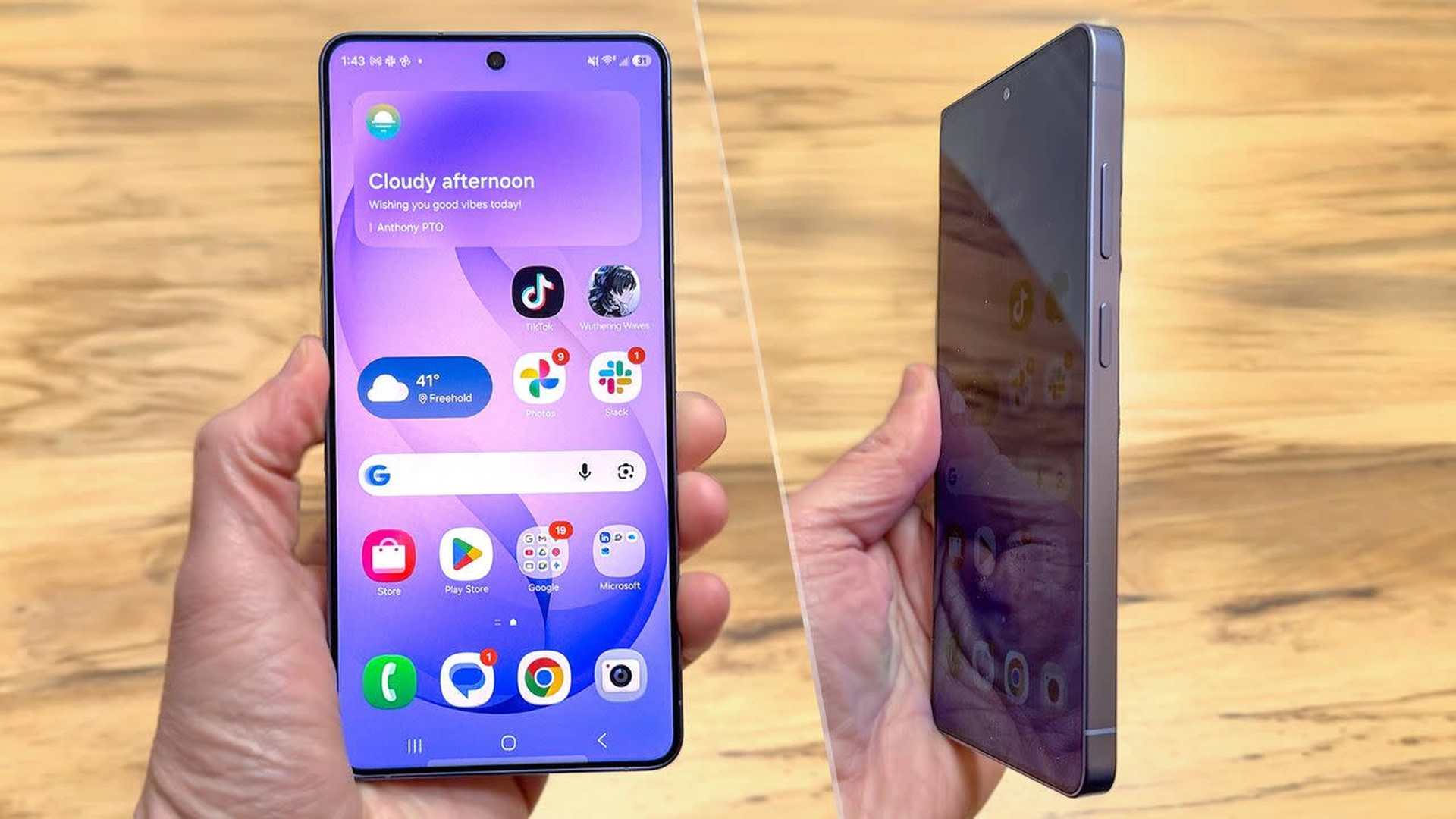
Samsung’s latest flagship smartphone, the Galaxy S26 Ultra , has drawn attention for introducing a new “Privacy Display” feature designed to limit viewing angles and protect on-screen content from prying eyes.
But while the technology highlights Samsung’s ongoing innovation in smartphone displays, critics say the company has overlooked a long-standing issue affecting user comfort: display flickering caused by low-frequency PWM dimming.
The criticism centers on Samsung’s decision to keep the Galaxy S26 series at a relatively low pulse width modulation (PWM) dimming rate, a technology used to control screen brightness. Some analysts and users sensitive to screen flicker argue that the company has prioritized novel features over accessibility improvements that competitors have already adopted.
The debate underscores a broader conversation in the smartphone industry about eye-care technology, accessibility, and the hidden impact display hardware can have on daily device use.
A New Privacy Display Feature Takes the Spotlight
The Galaxy S26 Ultra’s most prominent display innovation is its integrated Privacy Display system. The technology adjusts pixel viewing angles through hardware embedded in the display panel, making the screen harder to read from off-angle positions.
Samsung designed the feature to protect sensitive information in public settings — for example, when users are checking messages, viewing financial details, or working on documents in crowded environments.
The system can be toggled through a menu and works directly through the display hardware rather than relying solely on software filters or third-party screen protectors. As a result, the privacy effect is built into the device itself.
The feature has generated considerable interest since the launch of the Galaxy S26 series, as privacy-focused display technology remains relatively uncommon in mainstream smartphones.
Yet despite the attention surrounding the new capability, some observers argue that Samsung has neglected a more fundamental aspect of display comfort: flicker control.
Understanding PWM Dimming and Why It Matters
Most modern OLED smartphone displays rely on pulse width modulation (PWM) dimming to control brightness. Instead of adjusting brightness through a continuous flow of electrical current, PWM dimming rapidly switches the display’s LEDs on and off.
By varying how long the LEDs remain on during each cycle — known as the duty cycle — the display can simulate different brightness levels.
The switching occurs extremely quickly, often hundreds of times per second, making it invisible to most users. However, at lower frequencies, the flicker produced by PWM dimming can still affect the eyes and nervous system, even if it is not consciously perceived.
For people sensitive to PWM flicker, the effects can include:
- eye strain
- headaches
- nausea
- visual discomfort
The symptoms are particularly noticeable when screens operate at lower brightness levels. That is because the duty cycle decreases as brightness drops, making the flicker effect more pronounced.
As a result, display engineers and smartphone manufacturers have increasingly focused on raising PWM frequencies or offering alternative dimming methods to reduce potential discomfort.
The Galaxy S26 Series Retains a 480Hz PWM Frequency
According to company representatives, Samsung’s Galaxy S26 lineup continues to operate at a PWM dimming frequency of 480Hz.
While this level is common among several flagship smartphones, some competitors have begun adopting significantly higher frequencies. Higher PWM rates are generally associated with reduced flicker perception and improved comfort for users sensitive to the effect.
Some smartphone manufacturers now promote high-frequency PWM dimming as a dedicated eye-care feature.
For example, devices from brands such as HONOR and OPPO have implemented high-frequency PWM technology across various product tiers. Even the budget-oriented HONOR X9d offers a PWM dimming rate of 3,840Hz.
Similarly, the OnePlus 13R — a device positioned well below flagship pricing — features a PWM dimming rate of 2,160Hz.
By comparison, Samsung’s 480Hz implementation remains relatively modest.
Other flagship devices also operate at similar levels. The iPhone 17 and Pixel 10 Pro reportedly use comparable PWM frequencies, while the standard Pixel 10 operates at an even lower 240Hz.
Nevertheless, critics argue that the existence of higher-frequency alternatives demonstrates that improvements are technically feasible and already present in the market.
Alternative Display Technologies Already Exist
Beyond increasing PWM frequency, smartphone manufacturers have explored additional strategies to reduce flicker and improve display comfort.
One widely discussed option is DC dimming, which controls brightness by adjusting the electrical current delivered to each LED instead of rapidly switching the LEDs on and off.
Although DC dimming can introduce color accuracy challenges in OLED panels, several companies have implemented hybrid systems that combine DC dimming with PWM.
For example:
- The Xiaomi 15 uses DC dimming instead of low-frequency PWM at certain brightness levels.
- The Xiaomi 15 Ultra combines DC dimming with 1,920Hz PWM dimming.
- The Xiaomi 17 Ultra integrates DC dimming and carries TÜV Rheinland Flicker Free certification.
Software-based flicker reduction features are also increasingly common.
- The Realme GT 7 Pro includes an anti-flicker mode designed to reduce eye strain.
- Meanwhile, the OnePlus 13 allows users to manually enable DC dimming.
Google has taken a more limited approach. The Pixel 10 Pro includes a setting that increases PWM dimming from 240Hz to 480Hz.
Samsung’s Galaxy S26 lineup currently offers none of these options.
The devices do not include higher-frequency PWM, DC dimming modes, or dedicated flicker reduction settings.
Why Flicker Sensitivity Is an Accessibility Issue
For many users, PWM flicker may never be noticeable. However, people with certain medical conditions can be particularly sensitive to it.
Photophobia — a heightened sensitivity to light — affects a large proportion of people who experience migraines. Since many migraine sufferers prefer to keep screen brightness low, PWM flicker becomes more pronounced during typical device use.
This can worsen migraine symptoms or even trigger attacks.
The issue can also affect users without diagnosed conditions. Some people report eye strain or headaches after prolonged screen use without realizing that display flicker may be contributing to the discomfort.
Because smartphones are often the screens people use most frequently throughout the day, display comfort can have a meaningful impact on daily digital habits.
Advocates argue that giving users greater control over dimming methods or flicker reduction features would help make devices more accessible.
Transparency Around Display Technology Remains Limited
Another challenge highlighted by critics is the lack of consistent transparency across the smartphone industry regarding display specifications.
While manufacturers routinely promote features such as refresh rates, peak brightness levels, and color accuracy, PWM dimming frequency is rarely included in official marketing materials.
Instead, information about PWM often emerges through independent testing, third-party reviews, or direct confirmation from company representatives.
This makes it difficult for consumers — particularly those with flicker sensitivity — to make informed purchasing decisions.
More transparent disclosure of display technologies, including dimming methods and flicker reduction features, could help address this issue.
Accessibility Versus Feature Innovation
Samsung’s Privacy Display feature demonstrates the company’s ability to develop unique hardware solutions for smartphone displays.
Yet some critics argue that the focus on novel capabilities may have overshadowed improvements to everyday usability.
Accessibility advocates often emphasize that features designed for a small subset of users can benefit a much broader audience.
For example, screen readers, voice control, and adjustable display settings were originally developed for accessibility purposes but have become widely used across smartphones.
Similarly, flicker-reduction technologies could improve comfort not only for people with medical sensitivities but also for users experiencing fatigue from extended screen time.
The Broader Smartphone Display Race
The conversation around PWM dimming also reflects the broader competition among smartphone manufacturers to differentiate their displays.
Over the past decade, flagship devices have seen rapid improvements in several key display areas:
- higher refresh rates
- brighter panels
- improved color accuracy
- more efficient OLED technology
Eye-care features have emerged as a newer category in this race.
Some brands now promote TÜV Rheinland certifications, anti-flicker modes, and low blue-light displays as selling points.
Samsung has long been regarded as a leader in smartphone display manufacturing through its Samsung Display division, which supplies panels to many global smartphone brands.
However, the debate around PWM dimming suggests that innovation in display comfort may now be becoming as important as innovation in visual performance.
What the Discussion Means for Future Samsung Devices
Samsung remains the largest Android smartphone manufacturer in the world, giving its design decisions considerable influence across the industry.
If the company chooses to introduce higher-frequency PWM dimming, DC dimming, or advanced flicker-reduction options in future models, it could accelerate adoption across the wider market.
For now, however, the Galaxy S26 series highlights a divide between new display features designed to attract attention and the quieter technical improvements that affect everyday comfort.
The Privacy Display may offer a novel layer of security for users concerned about screen privacy in public spaces. But for those sensitive to screen flicker, the absence of more advanced dimming options remains a notable omission.
As smartphone displays continue to evolve, the balance between innovation, usability, and accessibility will likely remain a key area of scrutiny for manufacturers — and a deciding factor for many consumers choosing their next device.

Edit Profile
Help improve @KR

Was this page helpful to you?
Contact Khogendra Rupini
Are you looking for an experienced developer to bring your website to life, tackle technical challenges, fix bugs, or enhance functionality? Look no further.
I specialize in building professional, high-performing, and user-friendly websites designed to meet your unique needs. Whether it’s creating custom JavaScript components, solving complex JS problems, or designing responsive layouts that look stunning on both small screens and desktops, I can collaborate with you.
Create something exceptional with us. Contact us today
Open for Collaboration
If you're looking to collaborate, I’m available for a variety of professional services, including -
- Website Design & Development
- Advertisement & Promotion Setup
- Hosting Configuration & Deployment
- Front-end & Back-end Code Implementation
- Code Testing & Optimization
- Cybersecurity Solutions & Threat Prevention
- Website Scanning & Malware Removal
- Hacked Website Recovery
- PHP & MySQL Development
- Python Programming
- Web Content Writing
- Protection Against Hacking Attempts